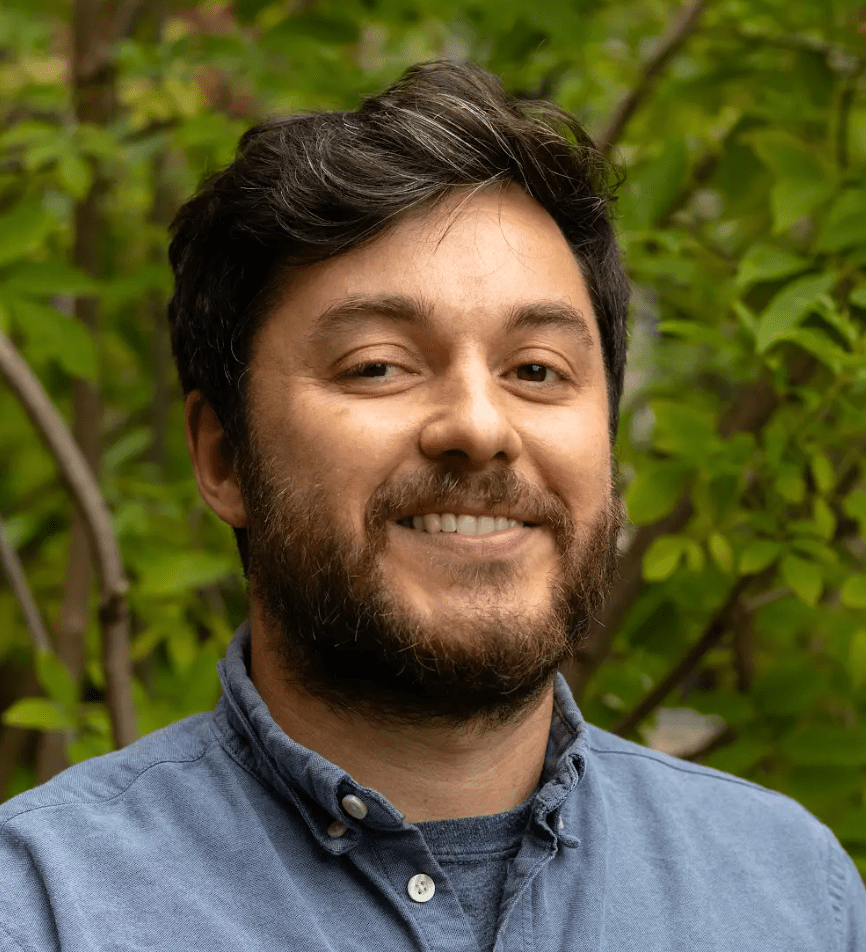
Sebastian Stockmaier (PI): I am am an Assistant Professor in the Department of Ecology and Evolutionary Biology at the University of Tennessee, Knoxville and a Smithsonian Tropical Research Institute Research Associate. I am working at the intersection of disease and behavioral ecology. I am broadly interested in how pathogens affect host (social) behaviors and vice versa. I have been working on bats for more than 10 years now and use them as study systems to answer my questions: What are the social consequences of “behaving sick? How do pathogens change, or even manipulate host social behaviors? What animal-animal interactions lead to pathogen transmission? When I am not chasing bats through the jungle, I enjoy hiking, camping, football (the European kind), and spending time with our kids.
Postdocs
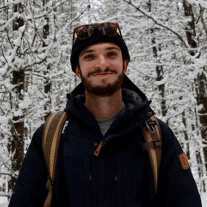
Dr. Caleb Ryan: My research focuses on understanding the social behaviour of bats in the wild and developing the technologies and methods we use to study them. My work is broadly interdisciplinary, integrating field ecology, engineering, and community-based science to expand our knowledge of species’ natural histories, and help inform the effective management of both protected and persecuted species in Panamá (where I am living!) and around the world. (Personal Website: calebcookryan.github.io)
Graduate Students
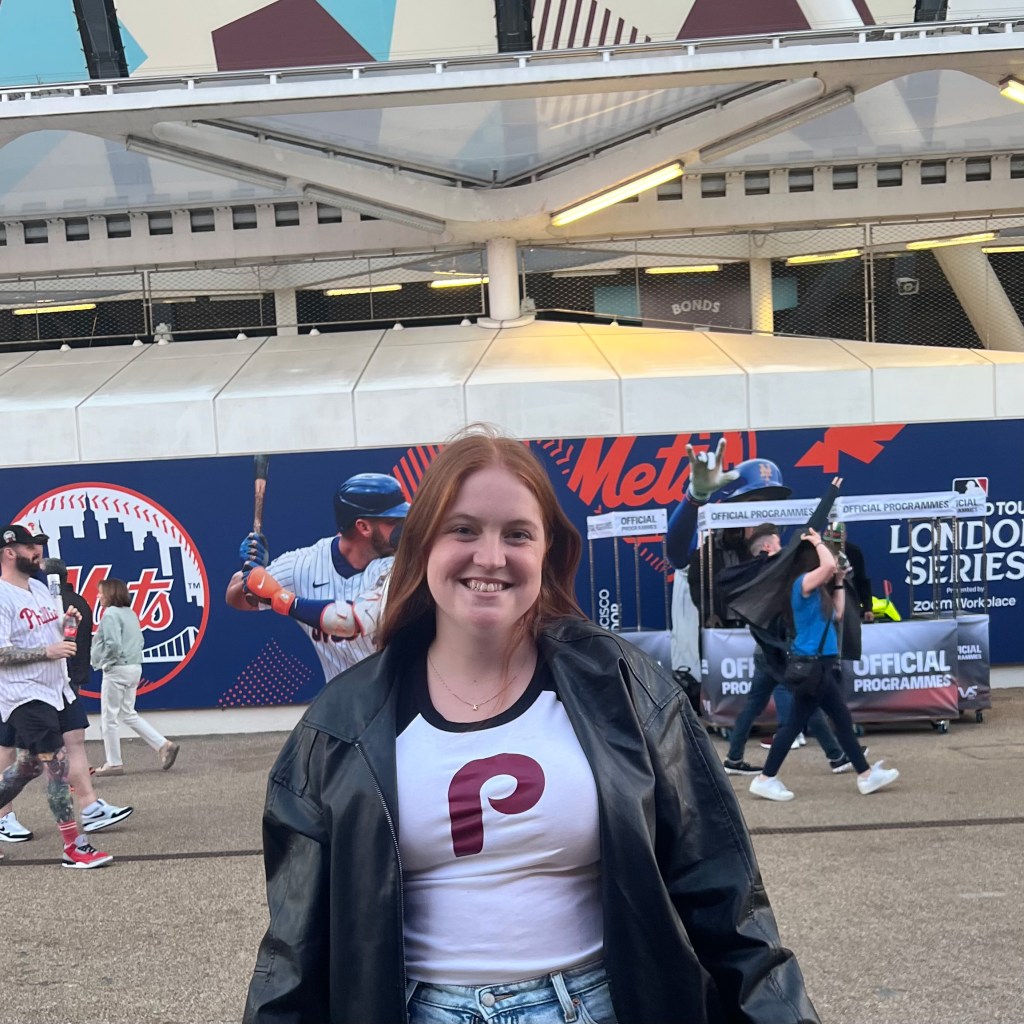
Keelee Pullum: I am broadly interested in how animals change their behaviors in response to sickness. More specifically, are these behaviors (“sickness behaviors”) adaptive, how are they modulated physiologically, and what trade-offs occur when an individual chooses to invest in recovery from sickness. I plan to investigate these questions in a population of free-living tree swallows (Tachycineta bicolor). Google Scholar
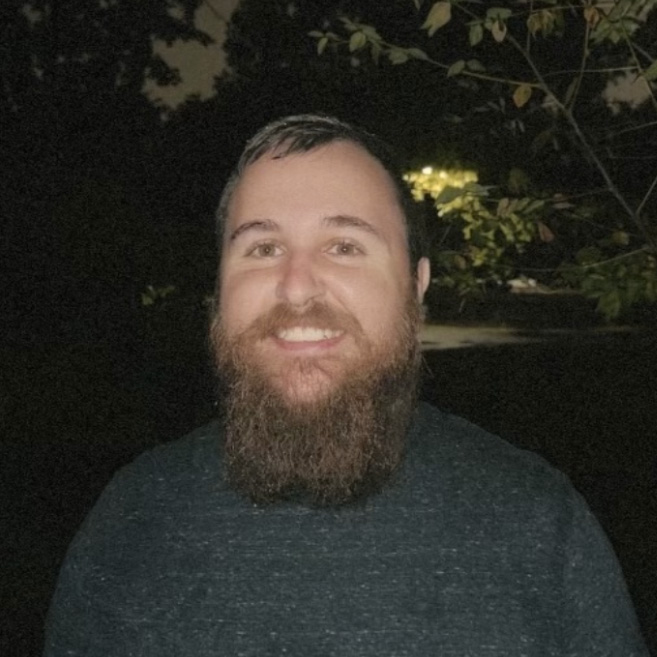
Matt Andres: My research interests are broadly focused on how animals use chemical senses to gather information from their environment and how this sensory information influences behavior. I am particularly interested in the role of olfaction in social behavior and disease ecology. My primary interest lies in studying these phenomena in bats, especially Phyllostomids. I am focused on understanding how olfaction might serve as a mechanism for disease detection in vampire bats (Desmodus rotundus). To explore this, I plan to characterize odor profiles through chemical analysis and conduct behavioral experiments to investigate how vampire bats respond to different conspecific odors.
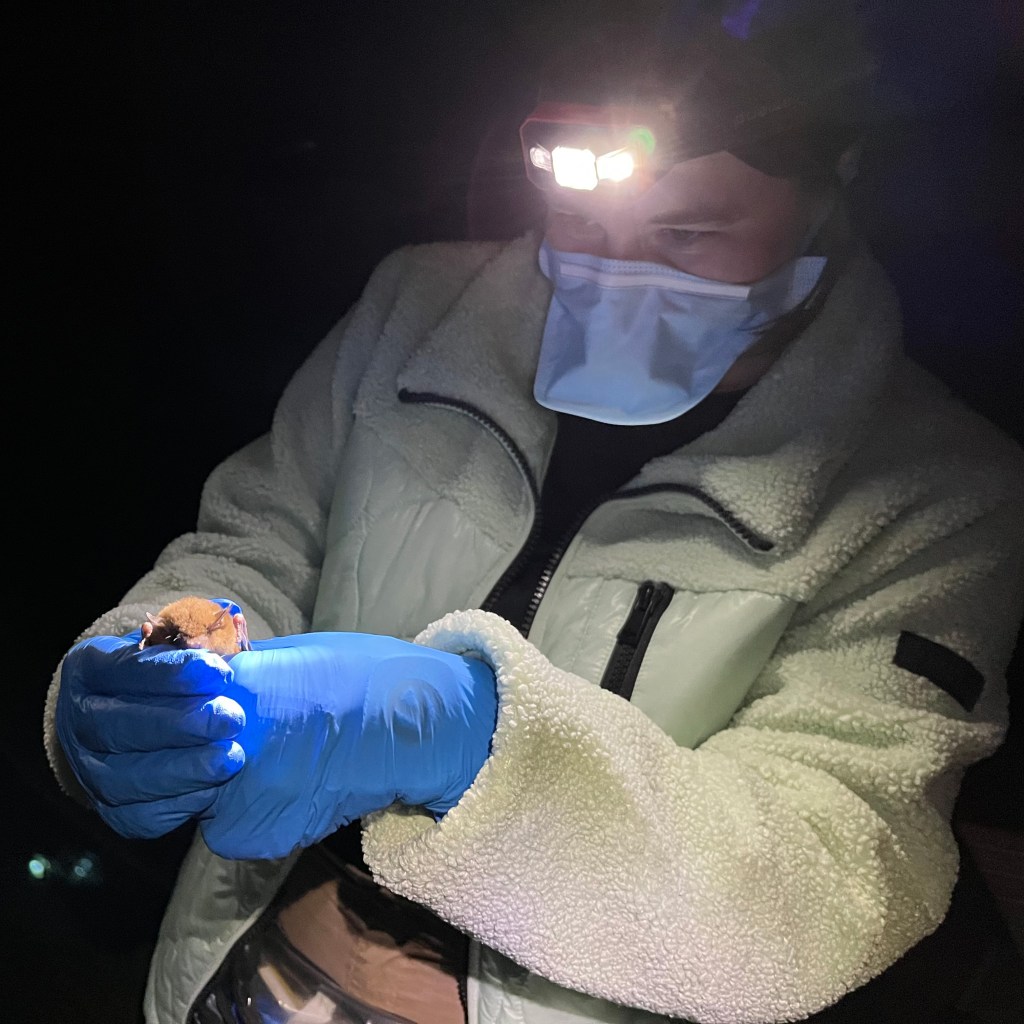
Bella Stevens: Broadly I am interested in the ecological factors that influence host response to infection, both behaviorally and physiologically. In the Common Vampire Bat (Desmodus rotundus), I aim to examine the effects of resource availability on host responses to infection. In Central and South America, vampire bats often feed on abundant livestock. I will conduct both experimental and field-based studies in order to explore how varying resource availability affects host immune response and behavior. In North American bats, I am interested in behavioral and immunological defenses to Pseudogymnoascus destructans in species with varying susceptibility to White-nose Syndrome. This would primarily involve field-based studies in the Southeastern US.

Courtney Schreiner Rieb: I am a quantitative disease ecologist interested in how changes or restrictions of contact networks impact disease dynamics. My work largely uses mathematical modeling to answer questions about how to improve infectious disease management strategies (in humans and wildlife). In my dissertation I am investigating how wildlife management programs affect animal social networks, and in turn, disease dynamics.
Undergraduate students
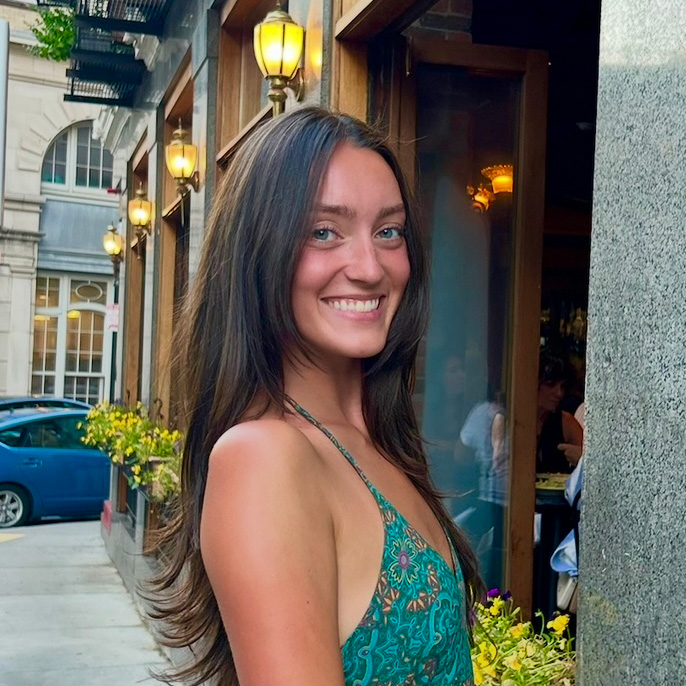
Jess Hayes
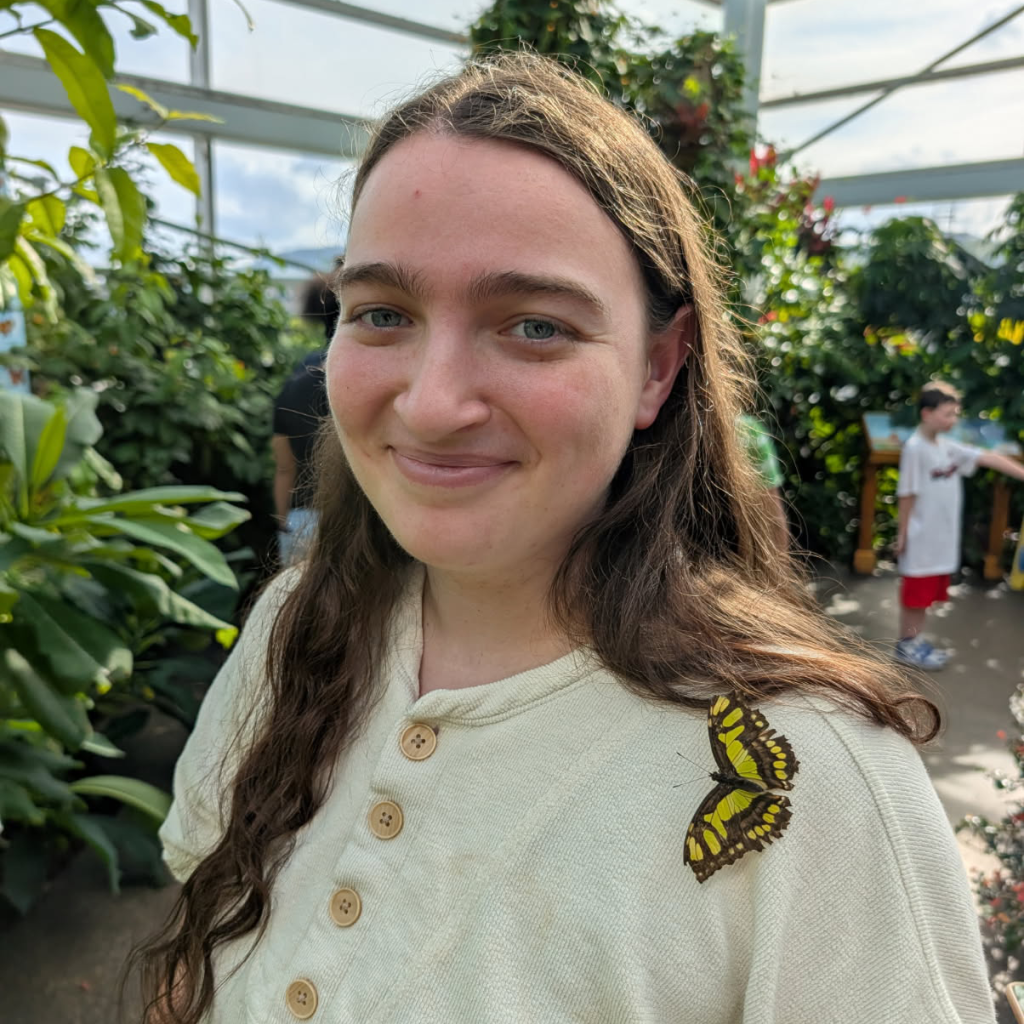
Bethany Placher
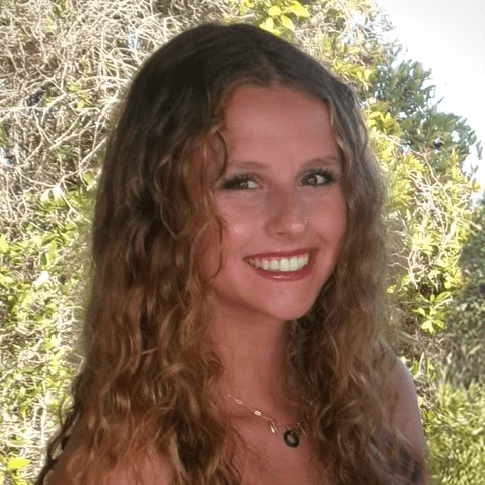
Claire Natale
Lab alumni
Mary Grace Graddy (Undergraduate Researcher): 2023-2024; Lauren Shinn (Undergraduate Researcher): 2024-2025; Jesse Sealand (Undergraduate Researcher): 2024; Ellis Kelsey (2025); Josh Kreis (2025-2026)
 Behavioral & Disease Ecology Lab